
Ground Detection
Conventional radar processing is tuned for the moving world, so when the vehicle stops the static scene collapses into a single return it struggles to resolve. Ground Detection adds a dedicated static-scene path that brings back the ground, kerbs, verges and low obstacles — so perception keeps a full, stable picture even at a standstill.
≈2×
denser static cloud
Low-noise
less clutter
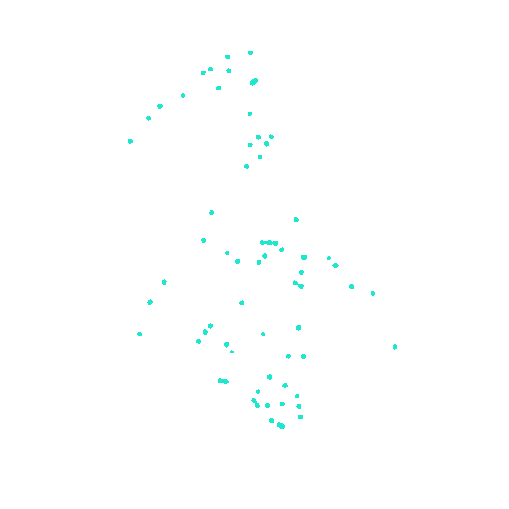 Ground detection off · 70 pts
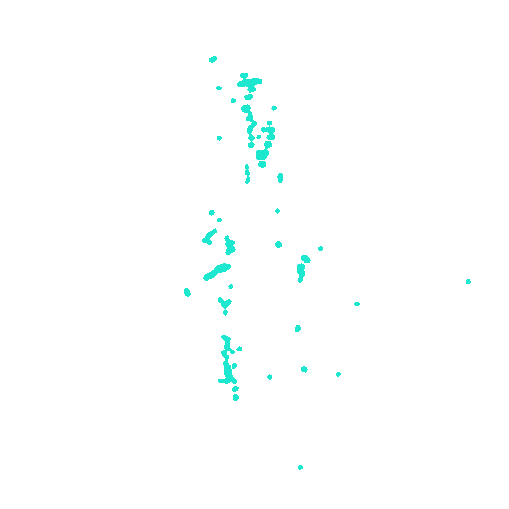 Ground detection on · 150 pts
 SCENE
SCENE3D
with elevation
On-radar
runs on the SoC
Applications
Where the static scene is hardest, this is where it helps most.
Automotive
When the vehicle is stopped or crawling — junctions, parking, start-stop traffic — the standard detector starves and the point cloud thins. Ground Detection keeps the kerbs, road edges and low obstacles around the car resolved exactly when the planner needs them.
Industrial
Mining, construction and yard machines on unstructured ground. Ground Detection resolves the drivable surface, slopes and fixed obstacles such as a parked digger, separating multiple ground lines where the terrain falls away on either side.
Agricultural
Off-road work in fields and on tracks, where there is no road to follow. Ground Detection holds onto the ground surface and the boundary between tarmac and grass, so the drivable terrain stays clear even at a standstill.
Drone
Low-altitude flight, hover and landing, where the scene below holds still. Ground Detection gives a dense, stable read of the ground and low obstacles beneath the aircraft for safe descent and terrain awareness.
How it works
Giving the static scene its own processing path.
STEP 01
Split out the static scene
The returns with zero velocity relative to the ground — the static world — are split onto their own path, so they can be processed with a method built for static structure rather than the detector tuned for moving targets.
STEP 02
Build evidence over time
Static structure doesn't move between frames, so its returns are averaged across many frames into a single statistical picture of the scene. The longer the radar dwells, the more the ground and fixed objects reinforce while random noise averages away.
STEP 03
Sharpen the scene
Working from the evidence built up over many frames, the static path locks onto each genuine return and quietens everything around it. Faint, spread-out ground returns that the standard scan would smear into the background are pulled cleanly into view.
STEP 04
Merge into one dense point cloud
The static detections are merged back with the normal moving-scene detections into a single 3D point cloud — now with the ground surface, kerbs, verges, low obstacles and multiple elevation levels resolved.
Featured deployment
A dense static scene, even at a standstill.
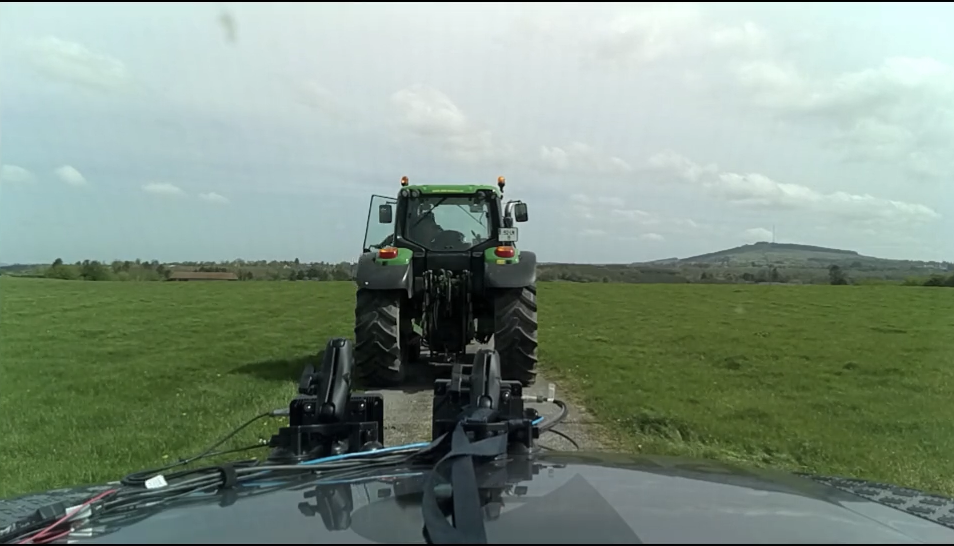
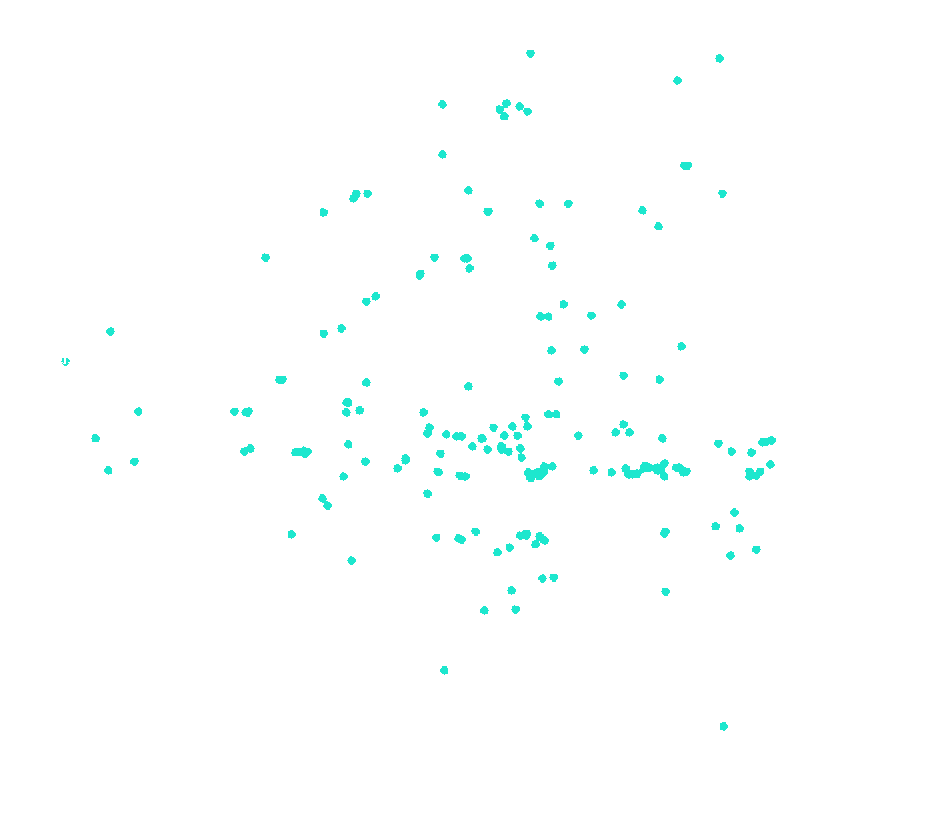
In Provizio's off-road captures, the dedicated static path turns a sparse, flickering static frame into a dense, stable one. Where standard processing leaves a handful of points, Ground Detection resolves the ground surface, a digger's arm and low obstacles — even the grass verge between tarmac and field — and separates the two ground lines where the terrain slopes away on each side.
- Dense, stable static point cloud where standard processing goes sparse
- Resolves the ground surface, kerbs, verges and low obstacles
- Separates multiple ground / elevation levels across the scene
- Runs on the radar SoC, in the same processing pass
 Ground detection off
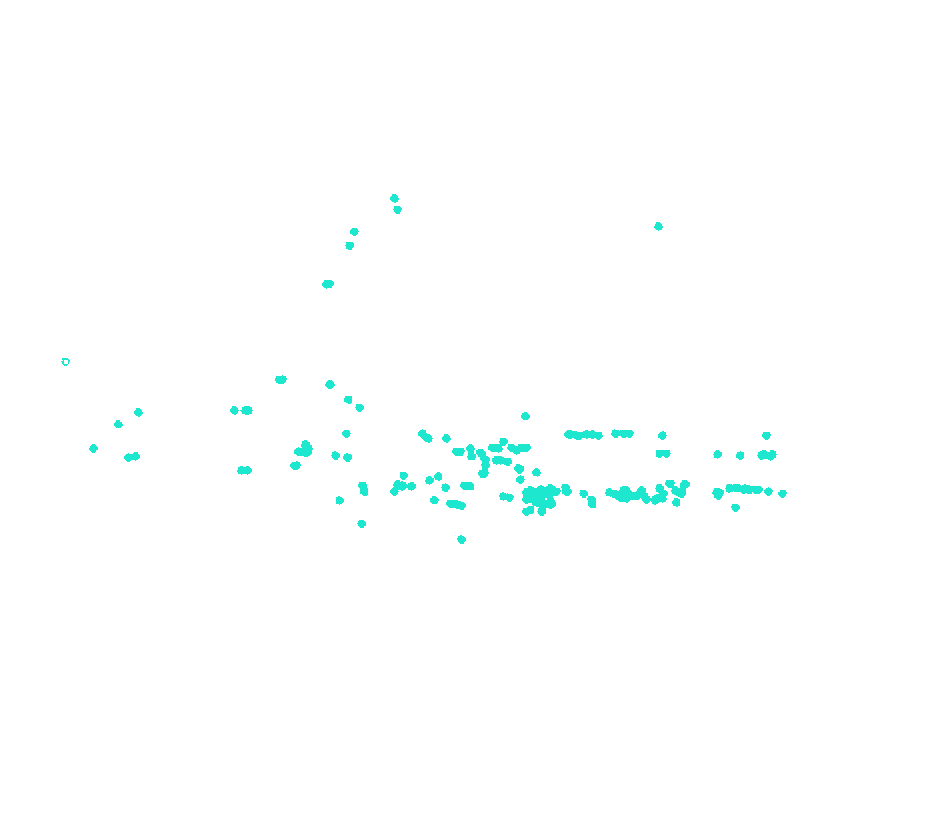 Ground detection on
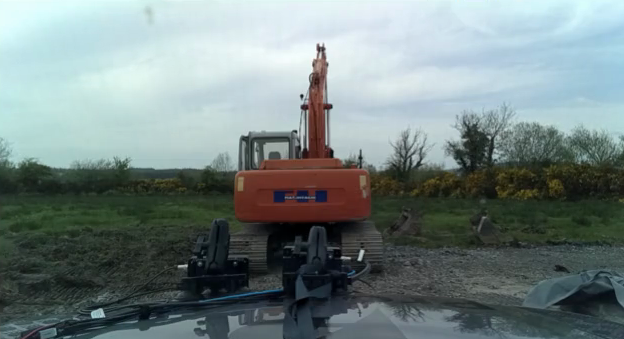 SCENE
SCENEIntegration
On-chip, in the same pass.
Ground Detection runs on the radar's SoC as a second detection path alongside the standard one. The static-scene detections are merged into the radar's normal point-cloud output and streamed over DDS — no extra sensor, no external compute box. The denser static scene flows straight into the rest of the perception stack.
- Runs on the radar SoC
- Static path runs in parallel with the moving-scene detector
- Static and moving detections merged into one point cloud
- Streamed over DDS like the rest of the stack
Questions, answered
Ground Detection FAQ
Standard radar processing is optimised for moving targets. In a static scene — vehicle stopped, surroundings still — all the static energy collapses into the zero-velocity bin, where a sparse-array detector can't resolve it well, so the point cloud thins out and the ground, kerbs and low obstacles get lost. Ground Detection adds a dedicated path for exactly that case.
The standard detector looks at the whole scene at once and is tuned for moving targets. Ground Detection adds a parallel path that works only on the static returns: it builds up evidence over many frames, then focuses precisely on each genuine return and quietens everything around it — pulling weak, spread-out ground returns out of the clutter that a single standard scan would miss.
No. It runs on the same radar SoC as an additional detection path, and its output is merged into the radar's normal point cloud. Because it is a heavier computation than the standard detector, it is applied where the static scene matters most; no external compute box or extra sensor is required.
Whenever the scene is static-dominated: a stationary or low-speed vehicle, junctions and parking, and off-road or unstructured sites where the ground surface, slopes, verges and low obstacles are exactly what you need to see.
A denser, more stable set of static detections, merged into the standard 3D point cloud (range, azimuth and elevation). Downstream services — Radar Freespace, Occupancy Gridmap, Classification — consume it like any other part of the point cloud.
Dense perception of the static world.
When your stack needs the ground, the kerbs and the low obstacles — not just the moving traffic — Ground Detection keeps the static scene dense and stable, on the radar itself.